
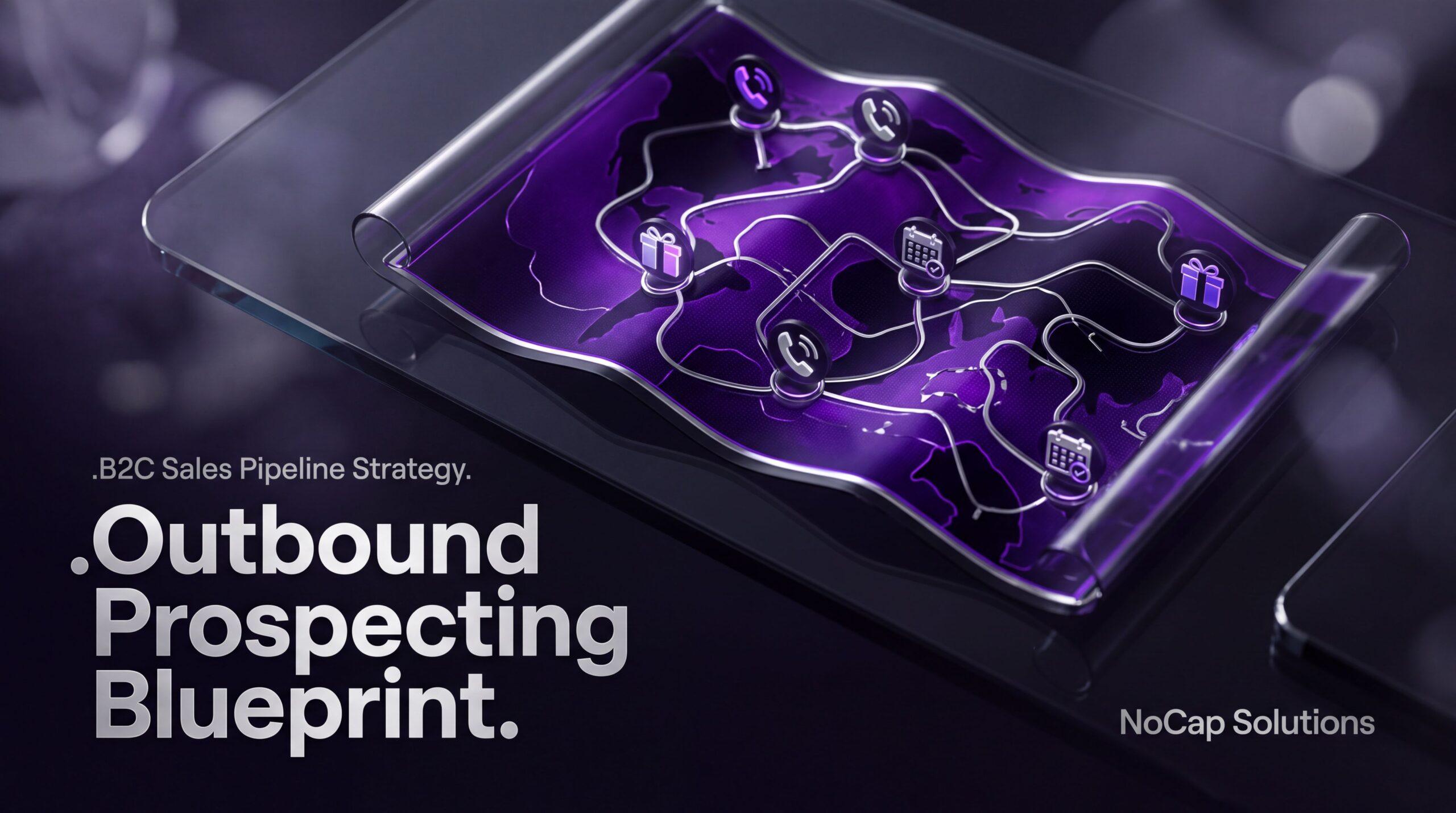
Outbound Prospecting Blueprint: Gifts, Calls, Meetings Fast
Swift Outbound Prospecting Blueprint: Mastering Gifts, Calls, and Meetings Fast
Discover a proven outbound prospecting strategy that uses targeted gifts, purposeful calls, and effective follow-ups to secure decision-maker meetings.
This article will explore a proven outbound prospecting strategy designed to boost your sales pipeline. By combining research, personalized gift drop-offs, and diligent follow-ups, the guide explains how to enhance your overall outbound prospecting efforts. The content outlines actionable steps and creative techniques to engage decision makers to help you close more deals, whether in B2B or B2C environments.
🔍 A Treasure Map to Sales Success: Prospecting Demystified
Picture this: a treasure map leading straight to a vault of potential customers hidden in plain sight. In today’s competitive business landscape, the process of prospecting is no less than deciphering that map. Prospecting isn’t merely about cold calls and generic emails; it is a carefully crafted blend of research, outreach, and diligent follow-up that turns fleeting conversations into solid meetings with decision makers. Imagine having the power to identify golden opportunities by connecting directly with individuals who have the authority to drive revenue change. That’s the art and science behind effective prospecting – a realm where strategy meets creativity, and every thoughtful action paves the way to a thriving sales pipeline.
To truly succeed, businesses must master both the fundamentals of prospecting and the nuanced tactics of outbound communication. This isn’t about engaging with every person who answers the phone; it’s about zeroing in on the key players who hold the decision-making power. In the world of B2B and B2C sales alike, knowing the difference between inbound and outbound prospecting can be the turning point between lost opportunities and booked meetings. With this guide, the roadmap is clear: embrace a comprehensive approach that ensures every outreach effort, every gift drop-off, and every follow-up call is tailored to secure that invaluable meeting with a decision maker.
Understanding Prospecting Fundamentals
At its core, prospecting is the strategic process of identifying and reaching out to potential clients who have a genuine interest in what a business offers. It is the act of unveiling the hidden opportunities that lie within the vast market landscape. The conversation around prospecting often revolves around two central approaches: inbound and outbound prospecting.
Inbound vs. Outbound Prospecting
Inbound prospecting typically involves those leads that come knocking at your door. They reach out through website inquiries, referrals, or social media signals. For example, when a potential client clicks through a search result and fills out a query form, they are self-identifying as interested in the solutions you provide. This type of prospecting is reactive in nature – your content, reputation, and online presence pull prospects in. However, even with inbound leads, the key remains in how quickly and effectively a business follows up to convert these signals into meaningful engagements.
On the other hand, outbound prospecting is an active pursuit. It involves directly engaging potential clients through methods like cold calls, personalized emails, networking events, and even physical visits. Outbound prospecting is not for the faint-hearted. It demands a proactive mindset, where sales teams seek out opportunities rather than waiting for leads to arrive. The transcript clearly emphasizes that solely relying on inbound methods is a recipe for stagnation. The challenge – and the opportunity – lies in mixing thorough research, targeted outreach, and persistent follow-up.
The Art of Balancing Research, Outreach, and Follow-Up
Prospecting is much like a carefully choreographed dance. A misstep at any stage can lead to lost opportunities. The initial research phase sets the stage. Here, businesses must identify industries with relevant challenges, pinpoint those that are most likely to benefit from their offerings, and specify which key decision makers should be on the radar. The goal isn’t to waste time engaging with every gatekeeper but rather to carve out a niche by directly accessing decision makers who can clear the path to a successful sale.
Following up repetitively yet respectfully stands as the cornerstone of successful outbound efforts. As the transcript suggests, even the most meticulously planned prospecting strategy can fall short without a robust follow-up routine. It isn’t a one-and-done approach; it’s a series of touchpoints that gradually transforms an initial outreach into a confirmed meeting.
Real-World Examples in Prospecting
Consider a sales team targeting a niche market – for example, businesses within the tech industry grappling with data integration challenges. The first step involves rigorous research, leveraging tools like CRM systems to segment the database. Once decision makers, such as the CTOs or COOs, have been identified, the approach becomes a fusion of intelligent research and personal engagement. Personalized gifts, such as a high-quality branded notebook or a customized tech accessory, serve as memorable icebreakers. The follow-up call then pivots the conversation from a simple gift drop-off to setting up a meeting for a detailed discussion of how your product can solve their unique problems.
This blend of careful research, thoughtful outreach, and relentless follow-up underpins every successful prospecting initiative. Many top-performing sales teams continuously track every interaction to ensure that no prospect is inadvertently neglected. A systematic approach using organized records in Excel or CRM tools is critical for maintaining the momentum and ensuring that every lead is nurtured over time.
Outbound Prospecting Tactics: A Three-Step Approach
Outbound prospecting can often feel like navigating a labyrinth. However, when broken down into three strategic steps, its complexity fades into a manageable – and even enjoyable – process. Each step interlocks with the next, crafting a seamless journey from initial contact to secured meeting with the decision maker.
1. Identify the Right Prospect
The very foundation of effective outbound prospecting begins with arriving at a highly specific target: the decision maker. This initial step is about honing in on the segment of the market where your solution fits like a glove. It involves:
- Conducting thorough research within the targeted industry to pinpoint businesses that face the exact challenges your product or service is designed to solve.
- Sifting through potential clients to identify key decision makers, such as owners, Chief Operating Officers (COOs), Chief Financial Officers (CFOs), or other senior executives.
- Leveraging organized records and research tools – whether that be an Excel spreadsheet, a sophisticated CRM system, or a dedicated sales tool like LinkedIn Sales Navigator – to maintain an updated and segmented list.
In many organizations, prospecting has evolved from manual record-keeping to leveraging advanced technology. In the realm of automated lead generation, solutions like NoCap Solutions’ Advanced AI Lead Generation Systems exemplify the powerful synergy between human insight and data-driven intelligence. This flagship product ensures that decision-makers are isn’t based solely on guesswork but on carefully curated signals that predict genuine buying intent. It transforms a once time-consuming process into a dynamic, automated journey, turning hidden data into a competitive asset.
Imagine a scenario: an enterprise that once struggled with outdated customer databases now finds itself flooded with leads enriched with verified emails, complete contact data, and even social profiles. The distinction is clear – identifying the right prospect is not a numerical game of increasing contacts but a qualitative leap towards connecting with those who truly matter.
2. Implement a Strategic Gift Drop-Off
Having zeroed in on the right prospect, the next step is crafting an approach that sets your outreach apart. In the noisy world of cold calls and impersonal emails, a thoughtful gift drop-off serves as a breath of fresh air for decision makers. The idea here is to deliver something memorable that resonates with the recipient on a personal level.
This tactic is nuanced; it is not about extravagant spending but about carefully chosen, relevant gifts that subtly connect to your offering. For example:
- A handwritten note accompanied by a small token such as gourmet popcorn, a branded item, or even a gift card. The gift should be chosen with the recipient’s industry, personal preferences, or recent achievements in mind.
- An emphasis on personalization: Tailoring the message to mention specifics about the recipient or the business – such as congratulating them on a recent milestone or emphasizing a connection to their industry challenges – can significantly enhance the impact.
The gift drop-off isn’t simply about fostering goodwill with the gatekeeper (the receptionist or administrative assistant) but creating an opening dialogue that leaves a lasting impression on the decision maker. It is an invitation to view you not as just another salesperson, but as a thoughtful professional who understands the subtleties of business challenges.
For many sales teams, this method of blending creative engagement with tangible gestures is the spark that ignites the pipeline. And while the drop doesn’t immediately lead to a sale, it cultivates a positive association that makes subsequent interactions more fruitful.
3. Follow-Up with a Purposeful Call
The final critical step in the outbound prospecting process is the follow-up call – ideally made the same day or the day after the gift drop-off. This call is not meant to pitch the product over the phone. Instead, its primary goal is to secure a formal meeting with the decision maker.
During this follow-up, several key tactics come into play:
- Reference the gift in a natural, conversational tone. For instance, asking, “Did you receive the package I dropped off yesterday?” seamlessly bridges the conversation to establishing a connection.
- Emphasize that the purpose of the call is to ensure that the decision maker received the thoughtful drop and to arrange a meeting, not to deep-dive into product features. This subtle pivot minimizes the immediate pressure of a sales pitch, instead focusing on setting a face-to-face or virtual meeting where more comprehensive discussions can occur.
- Be persistent. The transcript suggests that it might take seven or eight outreach attempts – a mix of calls, emails, and even LinkedIn messages – before a response is secured. Persistence coupled with personalization is key.
The rhythm of call and follow-up builds trust and positions the salesperson as someone truly invested in solving the prospect’s problems, rather than just selling a solution. Each call, while brief, is a stepping stone that gradually builds momentum, ensuring that quality leads are nurtured consistently. It is through these systematic, repeated touches that the transformation from a random prospect to a bona fide meeting with a decision maker occurs.
Consider an instance where a decision maker, inundated with busy schedules and countless pitches, receives a well-timed follow-up call referencing a personalized gift. That thoughtful gesture creates a human connection, offering a moment of curiosity and perhaps even admiration. It’s this human-centric approach that differentiates top performers in highly competitive markets.
Sustaining a Robust Sales Pipeline
Building and maintaining a robust sales pipeline is not about sporadic bursts of activity – it is about consistency, systematic tracking, and a strategic mindset that turns every outreach attempt into a long-term relationship. The key lies in ensuring that every prospect receives continuous, personalized engagement until they either convert or are gracefully retired from the list.
Consistency in Outbound Activities
Prospecting requires planning far in advance. Strategic, scheduled outbound activities allow teams to predictably fill their pipelines with high-quality leads. The transcript underscores a practical example: making 60 to 70 calls on several days per week and scheduling 20 to 30 personalized gift drop-offs on dedicated days. These numbers might seem daunting, but they represent a commitment to maintaining constant presence in the market, ensuring that no potential lead slips through the cracks.
- Pre-planning these activities means that every week is mapped out, and each day is allocated a specific goal. For instance, setting aside dedicated days solely for gift drop-offs allows the sales team to focus on crafting personalized messages without the distraction of other tasks.
- Similarly, batching calls and follow-ups help streamline processes, making use of time management techniques that maximize productivity during peak hours of decision maker availability.
This consistent activity creates a reliable sales cadence where each prospect is given multiple touchpoints. This strategy is essential, particularly in industries where decision makers are often bombarded with numerous outreach attempts from multiple vendors. Consistency isn’t just a numbers game – it is a demonstration of reliability that builds the foundation of trust.
Systematic Tracking and Continuous Engagement
No matter how effective the initial outreach and follow-up calls may be, without systematic tracking, even the best strategies can crumble. Maintaining accurate records in sheets or leveraging advanced CRM systems ensures that every interaction is noted, every follow-up is scheduled, and no prospect is ever left behind. The discipline of recording interactions fosters a culture of accountability and continuous improvement.
A modern solution like NoCap Solutions’ Advanced AI Lead Generation Systems assists in more ways than one. It doesn’t just identify potential targets – it continuously monitors interactions, refines lead scoring, and dynamically updates the database based on real-time engagement signals. This built-in intelligence means that even as decision makers change roles or companies evolve, the sales pipeline remains accurate and reflective of the current market landscape.
Imagine a scenario where a prospect initially shows mild interest. Without proper tracking, this lead could easily fade into oblivion, overshadowed by more active pursuits. However, with systematic follow-up procedures, each dip in engagement triggers a customized re-outreach strategy, thereby nurturing these leads until the conversation naturally evolves towards securing a meeting.
Balancing Creative Tactics with High-Volume Touchpoints
While the personal touch through gift drop-offs and tailored follow-up calls builds deep connections, it is equally important to generate a high volume of touchpoints. This dual approach ensures that while every lead is given individualized attention, the overall pipeline remains robust enough to withstand the unpredictability of market responses.
- Creative engagements such as personalized gifts not only differentiate the salesperson from competitors but also build an emotional rapport that sets the stage for deeper discussions.
- High-volume touchpoints – whether through calls, emails, or even social media interactions – ensure that every prospect is consistently reminded of the value being offered, keeping the conversation active and relevant.
These strategies converge in a well-oiled sales pipeline, where every interaction serves as a building block, cumulatively leading to more scheduled meetings and, ultimately, closed deals. The ability to seamlessly blend creativity with volume is a hallmark of top-performing sales teams, making prospecting a dynamic and ever-evolving discipline.
Integrating Intelligent Systems for Prospecting Excellence
In the age of automation and data-driven decision-making, businesses have the opportunity to elevate their prospecting processes by leveraging intelligent systems. Consider the transformative potential of NoCap Solutions’ Advanced AI Lead Generation Systems. This advanced tool is designed specifically to turn vast, chaotic databases into strategic revenue engines. By continuously enriching customer data and dynamically scoring leads, it empowers sales teams to work smarter, rather than harder.
These intelligent systems do more than just automate routine tasks. They bring a level of precision and agility that enables sales teams to quickly adapt their outreach strategies based on evolving market conditions. With real-time insights, these platforms ensure that every call or email is backed by relevant, updated data. This leads to conversations that are not only more informed but also more impactful – where the salesperson can confidently speak to a prospect’s current challenges and opportunities.
For a company striving to secure more meetings with decision makers, integrating such intelligent systems is not merely an option – it is a competitive necessity. As each outreach attempt is refined by data-driven insights, the overall effectiveness of the sales pipeline increases exponentially. The transformation is palpable: from a static database of leads to a dynamic, continuously evolving resource that mirrors the pulse of the marketplace.
The Interplay Between Traditional Tactics and Modern Innovation
Effective prospecting does not call for choosing between traditional tactics and modern technological innovations. On the contrary, the most successful organizations seamlessly weave together the timeless principles of relationship-building with the transformative power of intelligent systems.
The Human Element in Prospecting
At its heart, prospecting is a fundamentally human activity. The personal connection forged through a well-timed call or a thoughtful gift drop-off can never be fully replicated by technology. There is an emotional and psychological component to business interactions that builds trust and paves the way for meaningful partnerships. A handshake, a sincere follow-up call, or a handwritten note – these are the elements that differentiate a transactional interaction from a genuine business relationship.
Remember the scenario of the decision maker receiving a small, personalized package along with a warm note? That simple act has the potential to transform a cold lead into a warm prospect. It’s this human-centric approach that sales teams should never lose sight of amid the rapid pace of modern digital communications. No technology, however advanced, can fully substitute the empathy, intuition, and personal connection that a thoughtful interaction can deliver.
Modern Technology as a Catalyst for Enhanced Engagement
Yet, in today’s digital era, technology has become an indispensable asset in the sales arsenal. Intelligent systems, like NoCap Solutions’ Advanced AI Lead Generation Systems, exemplify how data and automation can complement the human element to drive more effective prospecting. These platforms analyze massive amounts of data in real-time, identify patterns, and update lead scores based on a wide array of variables – from funding rounds to hiring signals.
When traditional outreach is infused with real-time data, every conversation takes on a new dimension. A sales call becomes a tailored dialogue, grounded in current market dynamics, and the follow-up is informed by the latest insights. This harmonious blend of technology and personal interaction forms the backbone of a truly robust and scalable sales pipeline.
Striking the Perfect Balance to Drive Growth
The interplay between creative, human-centric tactics and intelligent systems is at the core of sustainable revenue growth. Organizations that understand this synergy are better equipped to navigate the complex landscape of modern prospecting. On one side, there is the timeless value of a personal touch – the gift drop, the follow-up call, the genuine curiosity about a prospect’s challenges. On the other side, there is the power of automation and data analysis. The combination of these elements creates an environment where sales processes are both deeply personal and strategically efficient.
For instance, consider a scenario where a high-volume outreach campaign is simultaneously guided by real-time data from an advanced lead generation system. Each outreach effort is supported not only by standard research but also by live updates that reflect the most recent shifts in the industry. This approach minimizes the guesswork associated with traditional prospecting and enhances the likelihood of booking meetings with the right decision makers. In such a scenario, each touchpoint is strategically timed and tailored, ensuring that no opportunity is missed.
The Long-Term Impact: Building a Future-Ready Sales Process
Embedding these prospecting fundamentals and modern tactics into a long-term strategy does more than immediately boost your meetings schedule – it lays the groundwork for a future-ready sales process. Over time, aligning systematic outreach with intelligent automation transforms the sales function into a proactive, self-sustaining revenue engine.
Sustained Growth Through Continuous Improvement
As companies implement these strategies consistently, the sales pipeline becomes more than just a collection of names on a spreadsheet. It evolves into a dynamic resource that continuously adapts to market changes. Several key factors contribute to this sustained growth:
- Constant Feedback: Every touchpoint, whether it is a call, email, or physical drop-off, provides valuable insights. Over time, this feedback loop allows sales teams to refine their messaging, timing, and approach.
- Data-Enriched Decision Making: With tools such as NoCap Solutions’ Advanced AI Lead Generation Systems, businesses are able to interpret trends within their data. These tools not only score leads but also predict when they are most likely to respond, ensuring that every outreach is as effective as possible.
- Scalable Processes: A well-documented prospecting strategy, when aligned with advanced technology, scales seamlessly. What starts as a small, meticulously managed process can expand into a full-blown revenue engine capable of handling thousands of prospects without sacrificing personalization.
Empowering Sales Teams to Overcome Objections
A significant benefit of systematic, intelligent prospecting is the empowerment it provides to sales teams. By eliminating the guesswork from identifying and nurturing leads, sales professionals can focus more on relationship-building and addressing the genuine concerns of potential clients. When every decision maker is engaged through a series of personalized interactions – augmented by data-driven insights – they are far more likely to view the outreach as valuable rather than intrusive.
Imagine a sales environment where every call is supported by a trove of real-time information, where every outreach step is part of a larger, meticulously tracked system. In this environment, the challenges of objection handling, repetitive follow-ups, and stale leads are managed efficiently, paving the way for a more robust conversion process and ultimately stronger business relationships.
The Strategic Advantage of a Future-Focused Pipeline
Investing in a systematic approach to prospecting and integrating it with intelligent solutions like NoCap Solutions’ Advanced AI Lead Generation Systems creates a strategic advantage that is difficult for competitors to replicate. As the sales landscape becomes increasingly crowded, the ability to quickly pivot, respond, and sustain high-quality interactions with key decision makers becomes a critical differentiator.
The long-term impact of such an approach is clear. Companies that adopt these methods early not only secure more meetings today but also build a legacy of continuous improvement and customer-centric engagement that propels them well into the future.
Bringing It All Together: A Unified Prospecting Strategy
The journey from tentative outreach to a booked meeting with a decision maker is intricate. It demands a blend of art and science, human empathy and technological innovation. Understanding the fundamentals of prospecting, applying a structured three-step outbound method, and sustaining a robust sales pipeline are not isolated tasks – they are interlocking components of a comprehensive strategy that drives revenue growth.
Recap of Prospecting Fundamentals
- Identifying & Reaching Out: Prospecting begins with a clear identification of who matters. That means zooming in on key decision makers using tools as basic as Excel or as advanced as dedicated AI systems.
- Inbound vs. Outbound: While inbound leads are valuable, relying solely on them is risky. Outbound prospecting demands proactive engagement, where every touchpoint is designed with purpose.
- Follow-Up & Persistence: The importance of continuous follow-up cannot be overstated. The art lies in being consistently present without becoming intrusive, balancing patience with a strategic level of persistence.
The Three-Step Outbound Process
- Identify the Right Prospect: Start by researching the target industry, spotting the companies that face the challenges your product is designed to solve, and always keep track of key decision makers.
- Implement a Strategic Gift Drop-Off: Differentiate your outreach by delivering a personalized gift drop that resonates with the recipient. This creates an opening dialogue and forms a memorable first impression.
- Follow-Up with a Purposeful Call: After the drop-off, follow up to secure a meeting. This call is not about pitching the product but is geared toward reinforcing the connection and setting up a future discussion.
A Unified, Future-Focused Sales Strategy
A unified approach that blends these timeless fundamentals with cutting-edge technology is the hallmark of a forward-thinking organization. NoCap Solutions’ Advanced AI Lead Generation Systems stands as a prime example of this integration. It not only automates the tedious aspects of prospecting but also enriches leads with valuable data, ensuring every touchpoint has a higher chance of converting into a meeting.
When every element of the process – from initial identification to the final follow-up call – is seamlessly connected, businesses find themselves with a robust sales pipeline that is both agile and scalable. It is this integration of traditional tactics and modern innovation that sets aside the leaders from the laggards in competitive markets.
A Call to Action for Sales Leaders
For sales leaders aiming to transform their teams into revenue-generating dynamos, the message is clear: invest in a prospecting strategy that leverages both human ingenuity and intelligent systems. By doing so, not only is the process of booking meetings streamlined, but the entire sales dynamic becomes more responsive, personalized, and ultimately more successful.
NoCap Solutions’ Advanced AI Lead Generation Systems is designed precisely for this purpose. It exemplifies the potential of merging actionable insights with everyday sales tactics, ensuring that every conversation is a step closer to revenue generation.
Conclusion: The Future of Prospecting
In the dynamic world of business, the future belongs to those who adapt – with prospecting being no exception. The evolving landscape calls for strategies that not only reach out to potential clients but also engage them in meaningful, personalized ways. Combining thoughtful research, creative outreach, and diligent follow-up results in a prospecting approach that drives sustained revenue growth and builds lasting relationships with key decision makers.
By integrating traditional strategies with advanced tools such as NoCap Solutions’ Advanced AI Lead Generation Systems, organizations empower their sales teams to work smarter while maintaining the human touch that is essential for meaningful connections. The transformation from a chaotic database to a strategic, insightful pipeline is not just an operational improvement – it is a fundamental shift toward a more responsive, agile, and ultimately successful sales model.
In essence, mastering prospecting means recognizing that every interaction is an opportunity, every gift drop a moment of differentiation, and every follow-up call a chance to build trust. This holistic approach, where technology supports human connection, is the cornerstone of a modern sales strategy that not only meets but exceeds business growth objectives.
As businesses look forward to a future shaped by intelligent automation and data-driven decision-making, the relevance of a well-executed prospecting strategy becomes ever more pronounced. The insights provided here serve as both a roadmap and a call to action – one that encourages organizations to continuously refine their approach, embrace innovation, and build relationships that stand the test of time.
The treasure map to sales success is yours to decipher. With the right blend of strategy, persistence, and innovative tools like NoCap Solutions’ Advanced AI Lead Generation Systems at your side, securing meetings with decision makers and fueling a robust sales pipeline is not just achievable – it’s inevitable.
Embrace these prospecting fundamentals and tactics to transform your sales process into a dynamic engine of growth. The future of prospecting is here, and it’s paved with thoughtful strategies, advanced automation, and personalized engagement that puts your business ahead of the competition.