
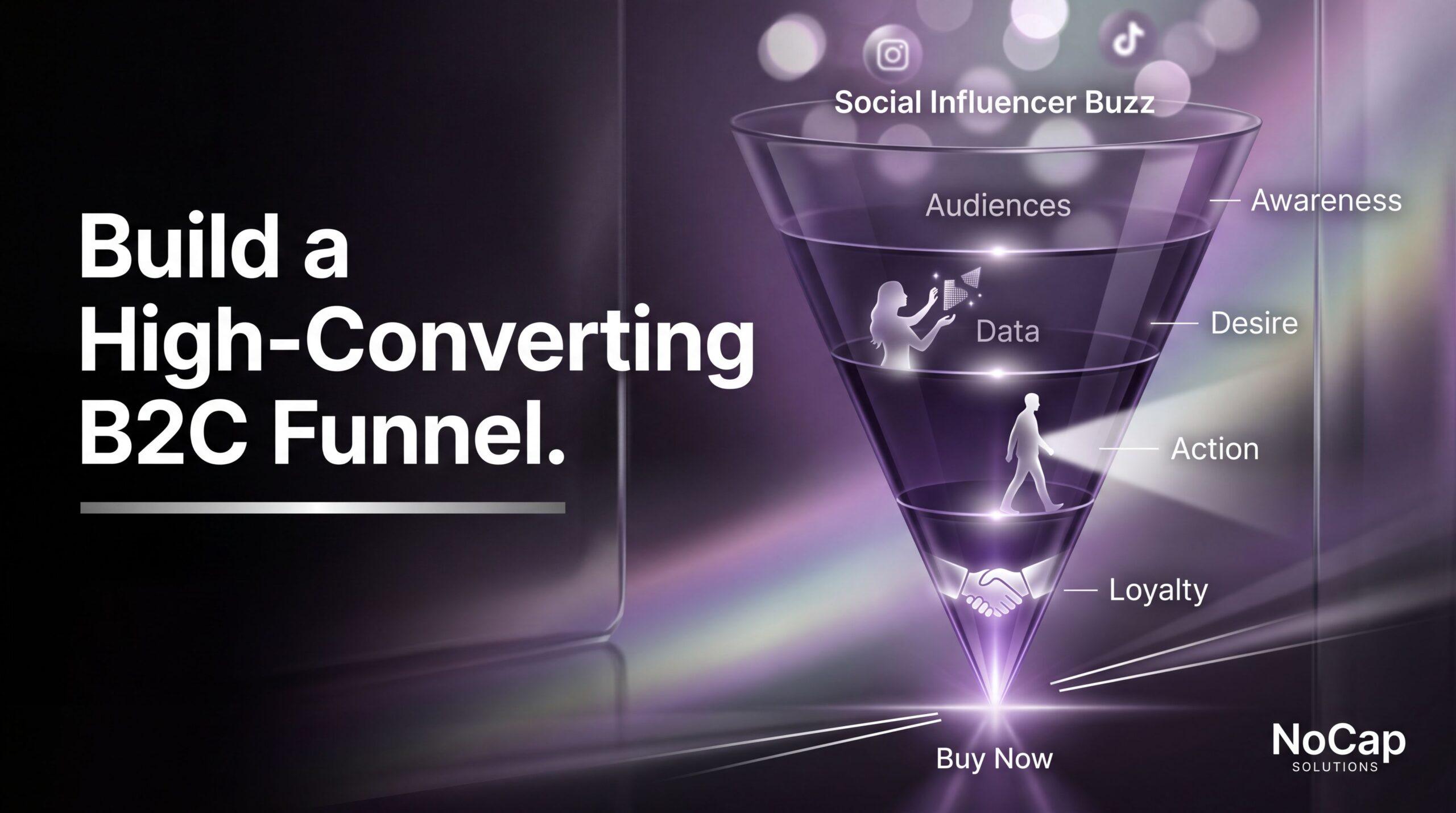
Build a High-Converting B2C Funnel: Awareness to Buy Now
Mastering a High-Converting B2C Funnel: From Awareness to Purchase
Discover actionable steps to build high-converting B2C funnels using social media, lead magnets, and seamless checkouts to boost conversions.
This article lays out an actionable blueprint for designing a winning B2C funnel that directly engages customers. From identifying key demographics to optimizing each stage of the funnel – awareness, desire, and action – the guide dives into proven strategies to drive conversions. With clear insights into targeting, content creation, and post-purchase engagement, readers will learn how to create a seamless customer journey that fuels growth.
1. Understanding Your B2C Audience
Imagine stepping into a crowded marketplace where every stall speaks directly to the passerby. In B2C marketing, every sold product is the outcome of a personal decision. Unlike B2B, where committees and layers of approval can dilute the voice of an individual, B2C strategies are as intimate as a one-on-one conversation. Businesses are no longer just aiming to impress a board of directors; they are vying for the attention of an individual human with unique tastes, priorities, and buying behaviors.
Business owners must start by recognizing that B2C consumers are not a faceless mass but distinct personalities influenced by a blend of demographics, interests, and purchasing behaviors. This requires an intensive dive into analytics, social trends, and even common life experiences. Brands must ask themselves: Who exactly is the person behind each purchase? What cultural, emotional, and situational cues prompt the consumer to act? Developing a tailored buyer persona might involve analyzing factors such as age, gender, social media usage, lifestyle habits, and even the time of day they shop. Here, the personalization of the funnel is key – each touchpoint must resonate with someone’s personal narrative.
Differences Between B2B and B2C Decision-Making
In B2B, decisions often come down to a calculated evaluation of data, risk, and stakeholder interests. By contrast, B2C purchasing decisions are frequently driven by emotion and personal connection. It might be the thrill of discovering a limited-edition sneaker, the nostalgia evoked by a vintage advertisement, or even the reassurance provided by a glowing customer review. This intimate relationship means that marketers need to walk a fine line between technical data and heartfelt storytelling. Relying solely on numbers and charts can miss the mark when the aim is to appeal to an individual’s personal aspirations and challenges.
The key to successful B2C marketing is to create a buyer persona that goes beyond the statistics. Marketers can start by questioning traditional demographics and diving deeper into behavioral metrics. Consider a scenario where a consumer sees an advertisement for luxury shoes. Unlike B2B, where several decision-makers deliberate, the B2C buyer’s decision is instantaneous and emotion-laden. It is born from a sudden idea: “These shoes would make me feel special.” Every interaction in the sales funnel then must embrace this emotional trigger. If an advertisement can make a potential buyer feel understood and seen, that is when the bond is formed and conversion begins.
Understanding customer behavior in this segment also requires leveraging real-time analytics. The modern marketer can benefit from dashboards that offer live, actionable insights on how individuals interact with campaigns, social posts, and advertisements. This data can then be distilled into adjustments of messaging, creative elements, or even the timing of content releases. The refined marketer sees the funnel not as a rigid structure but as a dynamic conversation where every nuance matters.
In summary, recognizing the unique aspects of B2C marketing involves a constant search for what makes each individual tick. Rather than casting a wide net with generic messages, businesses must craft detailed portraits of their potential customers, ensuring that every interaction feels personal and timely.
2. Crafting a Compelling Awareness Strategy
In the digital era, the awareness stage is like the splash of color on an artist’s canvas – it sets the tone for the entire masterpiece. For B2C marketing, this means that every social media post, every influencer collaboration, and every piece of content must create intrigue and invite an emotional connection. This stage is not just about visibility; it is about resonating with the consumer’s inner aspirations and everyday dilemmas.
At its heart, an effective awareness strategy is built around several core principles. First, using social media channels, companies have the power to humanize their brands. Platforms such as Instagram, Facebook, and TikTok allow brands to tell stories through visuals, short-form videos, and interactive content that mirror daily life and aspirations. Imagine scrolling through your feed and stumbling upon a video that showcases a behind-the-scenes look at how a trendy product is crafted, or a post where a relatable influencer chats casually about their day while highlighting the brand. These moments spark curiosity and engagement before the customer even steps into the sales funnel.
Leveraging Social Media and Influencer Partnerships
The charm of social media lies in its immediacy and emotional reach. A well-crafted video or an engaging blog post that taps into trending topics can create an instantaneous connection. The process might look like this:
-
Storytelling at Scale: Instead of bombarding viewers with plain product descriptions, a strategic narrative can weave in common life situations. Consider a scenario: a potential customer is casually browsing for premium footwear while catching up on lifestyle content. Suddenly, an engaging influencer video appears that not only highlights the style and comfort of the shoes but does so in a context that mirrors the viewer’s life.
-
Relatable Advertising: Think about a targeted advertisement featuring a person juggling their busy day, pausing in the midst of chaos for a moment of self-indulgence by admiring a pair of high-end shoes. The ad uses high-quality images, catchy taglines, and a relatable scenario to capture attention. This personal touch transforms a standard ad into a genuine connection.
An effective strategy combines these tactics with solid SEO groundwork, ensuring that catchy headlines, relevant keywords, and engaging meta descriptions work harmoniously to boost organic search visibility. Keywords are not just search terms; they are the modern-day breadcrumbs leading consumers to information that feels tailored just for them.
Engaging Content That Resonates
Content creation in the awareness stage is akin to a first date with a potential customer. It must be inviting, sincere, and engaging enough to promise more value down the line. From blog posts that capture the latest trends to short-form videos that convey a clear brand ethos, the goal is to drive traffic and spark interest. This content stands at the vanguard of the marketing funnel by addressing common pain points and painting visions of how one’s life could be improved with the product.
The role of SEO is essential here. In a crowded online environment, having the right keywords and social media tactics in place means that the brand’s message is not lost amidst competitors. The integration of thoughtful copy with smart digital marketing strategies ensures that every potential customer has not only seen the brand but is also eager to learn more.
Marketers should also use analytics to refine their content decisions continually. Observing which posts garner the most likes, shares, or comments can reveal valuable insights about audience sentiments. This iterative learning process makes it possible to adjust creative elements in real-time, thereby optimizing the overall customer journey from that crucial first impression to eventual conversion.
3. Using Lead Magnets to Generate Desire
Consider the allure of a beautifully wrapped gift left at your doorstep unexpectedly. That is the power of a well-crafted lead magnet in the world of B2C marketing. Lead magnets are the bridge between passive awareness and active interest. They spark curiosity and motivate potential buyers to engage further by offering a tangible reward or value proposition at the very moment their interest is piqued.
In a typical funnel, once a potential customer starts engaging with your awareness content – be it through social media posts, blogs, or influencer collaborations – the next step is to deepen that connection by evoking desire. Lead magnets play a critical role here. They are the incentives that drive the customer to take a foreseeable leap from just browsing to actively seeking more information.
The Power of Eye-Catching Incentives
Advertisements and landing pages become much more compelling when they are paired with attractive lead magnets. These can take many forms:
-
Discounts and Special Offers: A small percentage reduction on a premium product can make the buyer think that now is the perfect time to purchase. There is a rule in consumer psychology: when confronted with a limited-time offer, decision-making accelerates.
-
Freebies and Trials: Offering a small sample, a free trial, or even an interactive quiz can not only generate leads but also provide initial value and build trust. When a potential customer feels that they are getting something for nothing – akin to a free consultation or demo – their interest shifts from passive admiration to active exploration.
-
Interactive Content: Quizzes and games are a natural way to engage the consumer. These tools gather data while providing entertainment, transforming each interaction into an insight-rich experience. For example, a quiz that helps buyers determine which style of premium footwear best matches their personality can lead seamlessly into product recommendations and special promotions.
Building Trust with Detailed Descriptions and Reviews
At the heart of generating desire is the seamless integration of detailed product descriptions, high-quality images, and authentic customer reviews. By curating all these elements on a single landing page, the brand prevents any jarring transitions that might disrupt the customer’s budding interest. This is where storytelling meets data. A well-crafted landing page not only outlines the product’s specifications but also reiterates the emotional benefits that come with it.
Take the scenario where a consumer is considering a premium pair of shoes. A landing page might include:
- A series of high-resolution images showcasing the product from multiple angles.
- A detailed description highlighting the quality of materials, innovative design, and unique features.
- Customer testimonials and ratings that reinforce the product’s credibility (a star rating of 4.5 or higher adds substantial social proof).
These elements work in concert to create an environment where desire flourishes. When potential buyers see evidence of both product quality and genuine customer satisfaction, their hesitation diminishes, paving the way for the next critical step in the funnel.
Integrating Intelligent Lead Generation
In this context, it becomes natural to consider the role of advanced AI in streamlining the lead generation process. NoCap Solutions offers Advanced AI Lead Generation Systems – an innovative solution that transforms raw data into actionable insights. By employing powerful algorithms that digest customer behavior, demographic patterns, and even subtle cues in engagement levels, such systems enable businesses to refine lead magnets on the fly. With this technology working behind the scenes, businesses can ensure that every lead magnet – from a flashy discount to an engaging quiz – is optimized to maximize conversion rates and boost customer enthusiasm.
For many companies, the integration of technology like this offers a dual benefit. It not only reduces the manual labor involved in constant adjustments but ensures that marketing efforts stay agile and responsive. At the moment when a potential customer interacts with a lead magnet, the AI-driven system can immediately analyze those signals, updating buyer personas, and even adjusting content in real time. This modern approach to lead generation promises a more efficient transition from desire to purchase, ensuring that every gesture of interest is met with compelling, personalized follow-through.
4. Streamlining the Action Stage and Post-Purchase Engagement
The final leg of the B2C funnel is where everything comes together. Picture a carefully orchestrated ballet in which every step – from selecting a product to receiving a heartfelt thank-you note post-purchase – is choreographed for maximum efficiency and emotional impact. Once the desire is generated, it is critical that the action stage is just as smooth, intuitive, and customer-centric.
Creating a User-Friendly Checkout Process
First and foremost, a seamless checkout process is paramount. In the digital shopping experience, the devil is always in the details. A cluttered or confusing checkout page can stall an otherwise enthusiastic buyer. Businesses must invest in optimizing this stage with a clear design, straightforward payment options, and minimal distractions. Some critical touchpoints include:
- Multiple Payment Options: Allow for credit cards, digital wallets, and even modern payment apps. Flexibility here minimizes friction.
- Intuitive Design: The journey from cart to confirmation should be logical and visually consistent. Every button should speak a clear call to action, inviting the customer to click “buy now” without hesitation.
- Responsive Assistance: For customers who might run into issues, having a real-time chat support or FAQ readily visible can make the difference between a completed purchase and an abandoned cart.
The process should evoke trust and reliability because every moment counts. A well-designed checkout page not only speeds up the transaction but reinforces the consumer’s confidence in the brand. After all, the financial and emotional commitment of clicking that “buy now” button must feel both safe and exciting.
Post-Purchase Touchpoints: Loyalty and Long-Term Engagement
The conversion does not end at purchase; it evolves into a broader customer relationship. After the customer has experienced the immediacy of the action stage, the follow-up can solidify loyalty through a series of thoughtful post-purchase engagements. These engagements include a carefully crafted sequence of “thank you” emails, feedback requests, and the introduction of loyalty programs. By continuing the conversation post-purchase, brands not only affirm the customer’s decision but also plant the seeds for repeat business and brand advocacy.
Consider a scenario where a buyer completes an online order of premium footwear. Immediately following the purchase, the customer receives a personalized thank-you email that not only conveys gratitude but also provides tips for taking care of the product, links to an exclusive community, or even a discount on future purchases. This kind of engagement turns a single transaction into a sustained relationship. The integration of feedback mechanisms is equally vital, as it helps businesses refine their products and services based on real consumer experiences. Inviting customers to share their thoughts allows companies to address any issues promptly while demonstrating a commitment to continuous improvement.
A Continuity-Driven Customer Journey
Post-purchase engagement is the unsung hero of the entire funnel. Responsible brands adopt long-term strategies by planning for repeat purchases and actively turning customers into brand advocates. Every subsequent interaction, whether it is a follow-up email or a new product recommendation, should feel like the natural next step in a personalized journey that began with a thoughtful advertisement. Businesses thrive when the customer journey is seen as an ongoing conversation rather than a one-off transaction.
Effective customer journey mapping requires businesses to constantly analyze behavioral data. For example, if analytics reveal that a customer interacts extensively with certain types of content post-purchase, the next set of communications can be tailored to that interest. Such data-driven strategies not only optimize the post-purchase experience but also drive higher lifetime value from each customer.
Final Thoughts and Integration of Intelligent Systems
As businesses refine their B2C funnels, the ultimate goal remains clear: build trust, reduce friction, and create an environment that inspires action while fostering lifelong loyalty. The multiple stages from awareness to post-purchase engagement form a well-oiled machine, with each part designed to resonate with the unique desires of individual customers.
Leveraging intelligent systems can further enhance these strategies, ensuring that every micro-interaction is optimized. For example, the same sophisticated AI tools that power lead magnets can also analyze user behavior on the checkout page, predict potential drop-offs, and deploy timely interventions. Such dynamic systems transform traditional marketing funnels into responsive, living processes that adapt in real time to customer needs.
Throughout this process, every touchpoint matters. For brands looking to seamlessly integrate technology into their B2C funnel, NoCap Solutions offers a suite of intelligent systems designed to empower your marketing strategies. Specifically, Advanced AI Lead Generation Systems provide robust capabilities to analyze, engage, and convert leads while ensuring that every step of the buyer journey is both efficient and emotive. When the right technology meets a deep understanding of customer behavior, the result is a marketing ecosystem where precision, personalization, and performance seamlessly coexist.
Ultimately, achieving a high-performing B2C funnel requires a strategic blend of empathy, technology, and flawless execution. By understanding your audience at a granular level, crafting content that resonates on a personal level, and ensuring that every step of the journey – from the initial spark of interest to the final thank-you note – is meticulously designed, businesses can unlock untold potential in a marketplace where the individual is the center of every decision.
The journey begins with the realization that every consumer is unique – a blend of aspirations, habits, and stories waiting to be told through every interaction. In the age of intelligent systems, the convergence of technology and human insight is not just an advantage; it is a necessity for any business eager to thrive in today’s competitive landscape.
When executed correctly, these strategies combine to create a funnel that feels organic and personal. The precision of targeted advertisements meets the warmth of personalized emails, and AI-powered insights enhance the relationship between the brand and its customers. As businesses move forward into a future where digital experiences define brand success, the importance of a well-crafted B2C funnel cannot be overstated.
In this realm, embracing data-driven insights and human-centric creativity results in experiences that are both memorable and measurable. Every click, every scroll, and every conversation builds toward an ecosystem where the customer is not merely a number but the focal point of an engaging journey. And when innovation from NoCap Solutions is woven into this narrative, the path to sustained growth and loyal advocacy becomes not just possible, but inevitable.
Ultimately, the art of B2C marketing is about creating connections that matter – connections that transform awareness into desire, desire into action, and action into enduring loyalty. As the marketplace continues to evolve, so too should the strategies that govern it. Businesses that understand this and invest in intelligent, responsive systems will find themselves not only surviving but thriving in an age where every interaction counts.
With a clear path mapped out from the initial introduction of the brand to the warmth of post-purchase engagement, companies have all the tools they need to make a memorable impact. In a world where every customer’s journey counts, blending technology with human insight creates a meaningful narrative – one where each stage of the funnel is a testament to the power of personalization and precision.
By focusing on deep customer understanding, engaging awareness campaigns, compelling lead magnets, and seamless conversion and retention strategies, businesses can create a marketing funnel that is not only effective but transformative. The compelling blend of creativity and analytical intelligence is what defines modern B2C marketing – where every interaction builds toward a more connected, personalized, and ultimately successful enterprise.
Embracing the potential of intelligent systems like NoCap Solutions’ offerings, including the robust capabilities of Advanced AI Lead Generation Systems, ensures that from the moment a potential customer encounters the brand to the time they become a loyal advocate, every step is optimized for maximum engagement and conversion. With technology working seamlessly in the background, brands can focus on what truly matters: creating personal, memorable experiences for every individual.
In a rapidly changing digital world, the transformation of your B2C funnel into a finely tuned bridge between desire and action is the key to sustainable growth. When businesses prioritize understanding the subtle nuances of their audience, craft compelling content that resonates, leverage powerful lead magnets, and streamline the transaction process alongside thoughtful post-purchase engagement, they set the stage for success that goes beyond short-term gains – building a foundation for long-lasting customer relationships.
This comprehensive approach not only demystifies the B2C sales funnel but also illuminates a clear strategy for brands seeking to elevate their impact in an increasingly competitive market. In essence, the fusion of art and science in B2C marketing, underpinned by intelligent systems, creates a vibrant tapestry of customer experiences, each thread carefully woven to enhance the overall narrative of the brand.